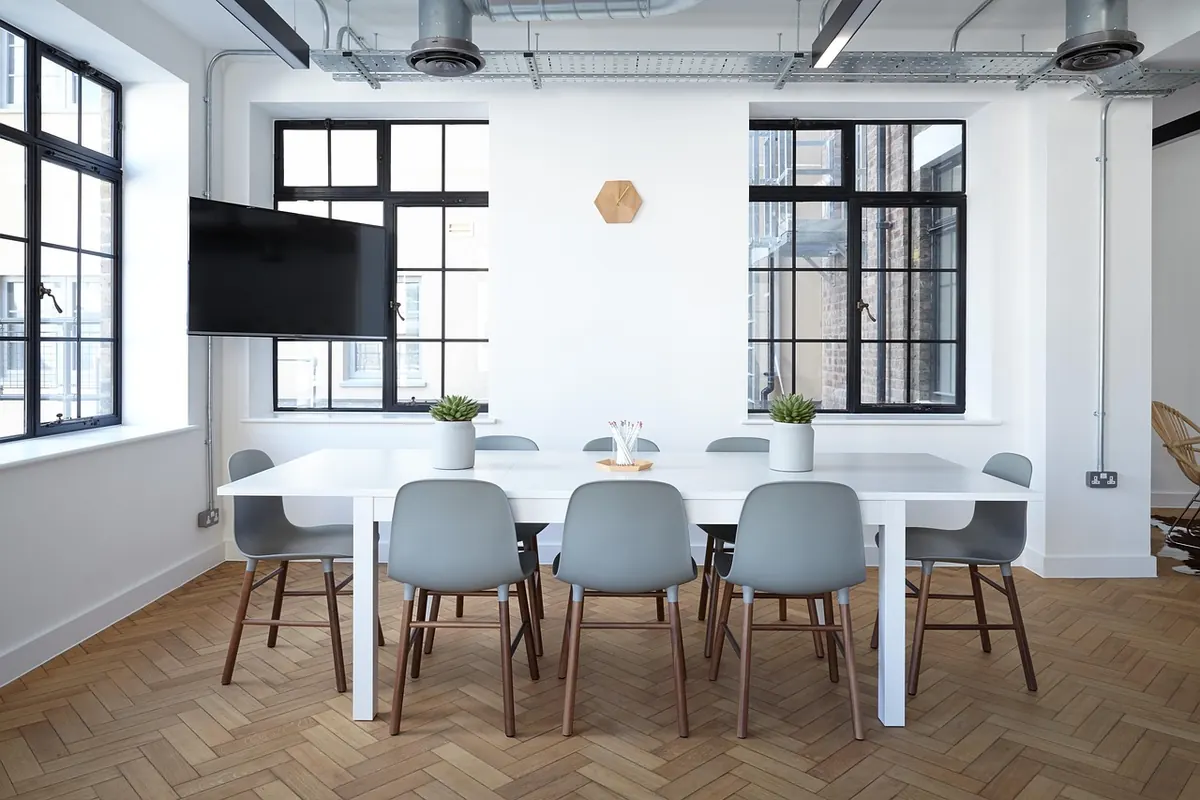
North-facing rooms have a reputation, and it is usually delivered with a sigh. The light arrives flat and cool, shadows are soft to the point of being absent, and the paint colour that looked warm in the shop can turn faintly grey-blue on the wall. It is easy to conclude that the room is simply dark.
It isn't, necessarily. North light is steady and even, behaving much the same at ten in the morning as at four in the afternoon. That consistency is why painters and anyone who works from home often choose it. The problem is temperature rather than quantity. What these rooms need is warmth added back deliberately, in layers, rather than relying on any single fix.
Spend a day in the room before you buy a tin of paint. Notice where the light falls and where it dies. The brightest zone is usually within a metre of the window, while the corners behind the sofa or either side of the fireplace get almost nothing. That contrast, rather than the overall light level, is what makes a room feel unwelcoming.
Notice the seasons too. In winter a north-facing room can be genuinely dim by mid-afternoon; in summer the same space is bright, soft and beautifully even. Anything you choose should work across both, which usually means avoiding extremes: no stark white on every surface, no charcoal on the walls.
Cool paint in cool light doubles down. A mid-grey that looks elegant in a south-facing showroom can read as damp stone in a north-facing bedroom. The answer is not to avoid neutrals, but to choose ones with warmth in them: oatmeal, mushroom, clay, biscuit, putty, soft stone. Whites are trickier than they look. Look for those with yellow, pink or red undertones rather than blue or grey.
Test properly. Paint boards rather than small patches, and move them around the room. Look at them at eight in the morning, at midday, and again at seven in the evening with the lamps on. A colour that looks warm at noon can turn distinctly cold after dark.
Deep colours work well here, provided they are warm darks: bronze, olive, chocolate, aubergine, deep rust. Charcoal and blue-black tend to make cool light feel colder still.
Mirrors do more in a north-facing room than in any other. Hung on a wall adjacent to the window, or on the wall opposite, a mirror catches what light there is and pushes it towards the darker half of the room. Placing one directly facing the window is often less effective: you get a reflection of the sky, which is the coolest thing in the room, and sometimes glare.
Size beats quantity. One generous mirror, hung so its centre sits at roughly eye level, will achieve more than four small ones. Frame it in warm wood, brass or an antiqued finish, since a plain silver frame can look clinical against grey light. The same idea applies to surfaces: a lacquered side table, a glass lamp base, a polished tray and a glossy ceramic vase all pick up and pass on light.
If you change only one thing, change this. A single ceiling light is the worst arrangement for a north-facing room: it illuminates the middle of the floor and leaves walls, corners and faces in shadow, which is exactly what makes a space feel flat.
Aim for three to five light sources in a sitting room, each on its own switch or dimmer, at different heights. A floor lamp beside an armchair, a table lamp on a sideboard, a small lamp in the corner that never seems to get any light, a picture light or wall sconce on the wall you actually look at.
Bulb choice matters. Warm white LED bulbs around 2700K give the slightly amber glow that flatters skin, wood and textiles. Cooler bulbs, or anything labelled daylight, will undo everything else you do. Dimmers cost a little more and are worth it; being able to drop the level after dark changes the mood of the room entirely.
A useful rule: light the things you want to look at, such as art, bookshelves and plants, rather than the ceiling.
Under cool light, smooth flat surfaces read as cold. Texture gives the eye something to catch, and warm materials do some of the work that colour cannot.
Curtains deserve their own mention. Heavy dark curtains across a north-facing window will swallow what light you have. Keep the glass as clear as possible by day: a sheer voile or light linen blind to filter, plus a lined curtain you draw at night for warmth and privacy. Hang the track high and wider than the window so the fabric sits mostly over the wall rather than over the glass.
Lampshades change the colour of light. A fabric shade in cream or oatmeal softens and warms a bulb, while a bare bulb or a metal shade throws a hard pool downwards. If a lamp still feels cold, try a different shade before replacing the lamp itself.
Plants earn their place too. Greenery adds life to a grey corner and the leaves reflect light; peace lilies and snake plants cope with lower levels. Artwork, books and objects in warm tones give the eye somewhere to rest, and candles remain the oldest trick there is.
Do these in sequence and you will spend money where it makes the most difference:
If you rent, the first four steps are entirely reversible and will travel with you. If you own the property and the budget allows, a bigger upgrade worth considering is a rooflight or a second window on a brighter elevation, which changes the amount of light rather than its temperature. That is a substantial job, so take advice from a qualified surveyor or builder before committing.
North light is calm, consistent and easy to live with once its coolness is dealt with. Add warmth on purpose, in layers, and the room stops feeling like a compromise.
Photo: Pexels / Pixabay
How to give a rental flat real style using removable wallpaper, freestanding furniture and plug-in lighting — plus...
The common layout mistakes that shrink compact UK lounges, from wall-hugging sofas to undersized rugs, and the...

A practical checklist for buying pre-loved furniture, covering joints, veneer, upholstery, odours and measurements...

Curated motifs and decor for every home.
